
California Court Rules Tesla Misled Consumers with “Full Self-Driving” Claims
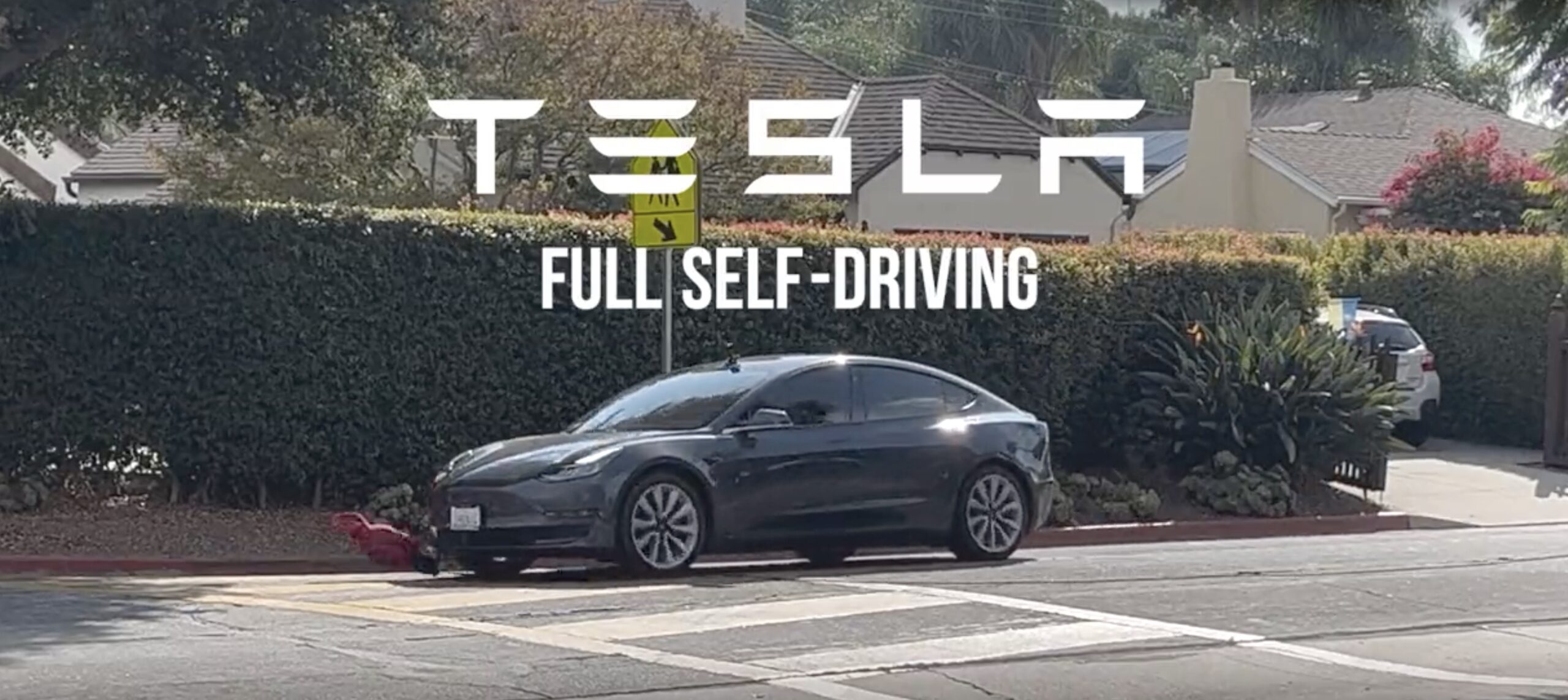
A California judge ruled on Tuesday that Tesla engaged in “deceptive marketing” for its Full Self-Driving (FSD) and Autopilot systems, ordering a potential 30-day suspension of Tesla’s license to sell vehicles in the state. The California DMV will grant Tesla 60 days to correct its marketing practices before enforcing the suspension.
Key Findings from the Ruling:
- False Advertising of FSD:
Tesla’s “Full Self-Driving” name was deemed “unambiguously false” by the court, which rejected Tesla’s argument that “no reasonable person” would interpret the term literally. The system, sold since 2016 as a Level 2 driver assist feature, still requires active driver supervision and does not enable autonomous driving. - Misleading “Autopilot” Claims:
While “Autopilot” was not ruled explicitly false, the court criticized Tesla for using ambiguous language to imply greater autonomy than the system offers. Surveys showed consumers often mistakenly believe Autopilot allows hands-free driving, despite Tesla’s technical disclaimers. - Contradictory Statements:
Tesla claimed internally that “legal reasons” prevented full autonomy while publicly suggesting the cars could “conduct trips with no action required.” The court ruled such present-tense language misrepresented current capabilities, not future goals.
Penalties and Tesla’s Response:
- Potential License Suspension: Tesla faces a 30-day halt to sales and manufacturing in California—home to its Fremont factory (producing 500,000 vehicles annually).
- 60-Day Compliance Window: The DMV will prioritize revising Tesla’s dealer license marketing, not manufacturing, if changes are made.
- Tesla’s Stance: The company called the remedy “draconian” but assured “sales in California will continue uninterrupted.”
Broader Implications:
- Legal Precedent: The ruling strengthens a class-action lawsuit alleging Tesla misled customers about FSD capabilities.
- Marketing Changes Required: Tesla must drop terms like “Full Self-Driving” or “Autopilot” for its Level 2 systems or clarify they are not autonomous.
Background:
California’s DMV opened its investigation in 2021, citing inconsistencies between Tesla’s public claims and official disclosures. A state law later banned automakers from overstating autonomous features. Tesla repeatedly missed self-imposed timelines for achieving full autonomy and revised FSD branding (e.g., adding “Supervised” in 2024).
What’s Next?
Tesla has two months to adjust its marketing or risk losing sales privileges in its second-largest U.S. market. The case underscores heightened regulatory scrutiny of automakers’ autonomy claims as driver-assist technology advances.
This article is a summary of public legal proceedings. Tesla has not issued a detailed statement beyond reaffirming its sales plans.