

Hyundai’s Right to Repair Restrictions Spark Controversy
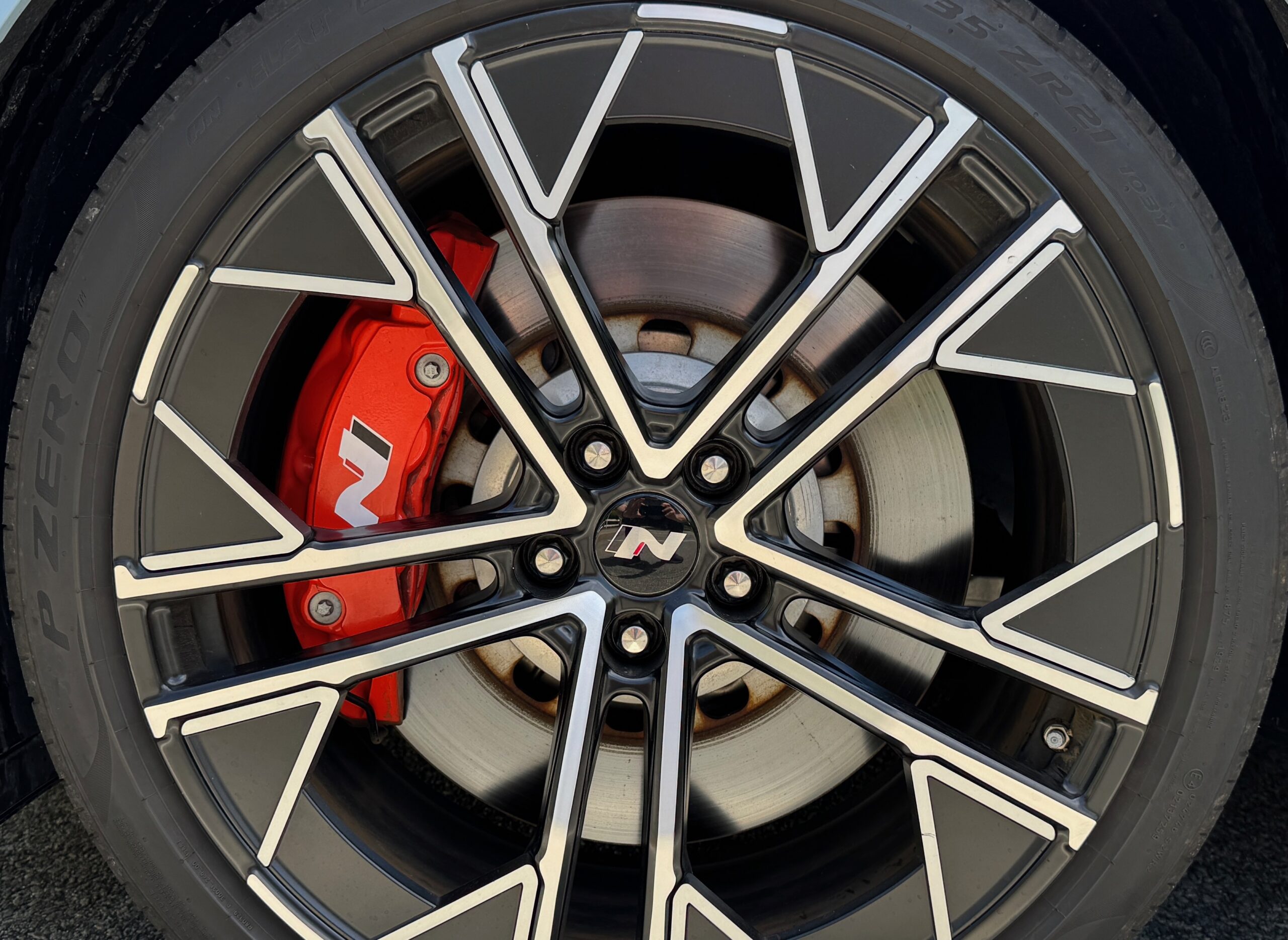
An electric vehicle (EV) owner has reignited the Right to Repair debate in the electric era after claiming that Hyundai’s software blocks him from changing his own brake pads.
The owner, who drives a Hyundai Ioniq 5 N, says that the automaker’s diagnostic tools effectively lock out anyone who isn’t a certified technician from performing basic maintenance. To replace the rear brake pads, one must disengage the electric parking brake and recalibrate the motor using a diagnostic tool.
According to the owner, Hyundai’s J2534 Diagnostic Tool is required for this process, but it comes with significant restrictions. The tool costs $2,000+, requires a $60 weekly subscription, and needs a constant internet connection for authentication. Moreover, it allegedly doesn’t work properly on newer models like the 2025 Ioniq 5 N.
The owner claims that even after purchasing the subscription and special adapter, he was unable to access the tool. He was blocked by NASTF, which requires a business name and 9-digit Federal Employer Identification Number, effectively excluding DIYers.
This incident raises serious questions about Right to Repair access in the EV era. For decades, enthusiasts and independent mechanics have fought for access to diagnostic tools and repair data that manufacturers often guard tightly. The issue takes on new urgency when basic wear items like brake pads require proprietary authentication.
The situation is particularly egregious given that Hyundai dealers reportedly use a different, Android-based software suite that works seamlessly. This has sparked concerns that Hyundai is unfairly restricting access to repair information and tools.
Has Hyundai Gone Too Far?
Replacing brake pads is a fundamental aspect of car maintenance, yet Hyundai’s system makes it feel like breaking into Fort Knox. The automaker has some serious rethinking to do, as locking out customers who care about maintaining their vehicles isn’t a good long-term strategy.
One writer has even stated that they will avoid buying Hyundai or Kia EVs until this issue is resolved. Hyundai has promised to look into the situation and report back with more information.
The controversy highlights the need for greater transparency and accessibility in the automotive industry, particularly as EVs become increasingly popular. As the debate around Right to Repair continues, it remains to be seen how Hyundai and other manufacturers will respond to the concerns of their customers.