

Hyundai and Kia Achieve Record U.S. Market Share Despite EV Challenges
Hyundai Motor Group (including Hyundai, Kia, and Genesis) has surged to a historic 10.9% share of the U.S. auto market in October—the largest gain since the pandemic. This marks a significant jump from their 7.5% market share in 2019, outperforming rivals like GM, Ford, and Stellantis.
Key Drivers: Hybrid SUVs Shine
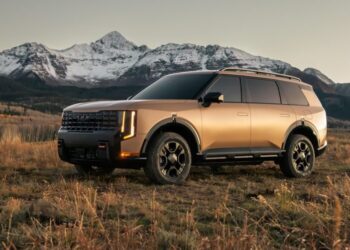
The automakers’ success is fueled by soaring demand for hybrid SUVs, including the Hyundai Tucson, Kia Sorento, Telluride, Santa Fe, and Palisade. Hybrid sales have propelled Hyundai and Kia’s share of the U.S. hybrid market from 5% in 2020 to 14% in 2025, with 257,340 hybrids sold through October—already surpassing their total hybrid sales in 2024.
EV Sales Stumble Amid Policy Shifts
While hybrids thrive, electric vehicle sales plummeted after Hyundai and Kia lost eligibility for the $7,500 federal EV tax credit in October. Hyundai sold only 1,642 IONIQ 5 models—a 63% drop from the previous year—while Kia’s EV9 and EV6 sales fell sharply to 666 and 508 units, respectively. The decline prompted Kia to delay launches of new EVs, including the EV4 sedan and high-performance EV9 GT.
Navigating Tariffs and Incentives
Despite new tariffs on imported vehicles, Hyundai and Kia secured relief when U.S.-South Korea trade negotiations reduced tariffs from 25% to 15%, aligning them with Japanese automakers. To counter the tax credit loss, the brands rolled out aggressive promotions:
- Kia introduced $10,000 cash discounts on all EVs.
- Hyundai offers IONIQ 5 leases as low as $189/month.
Future Outlook
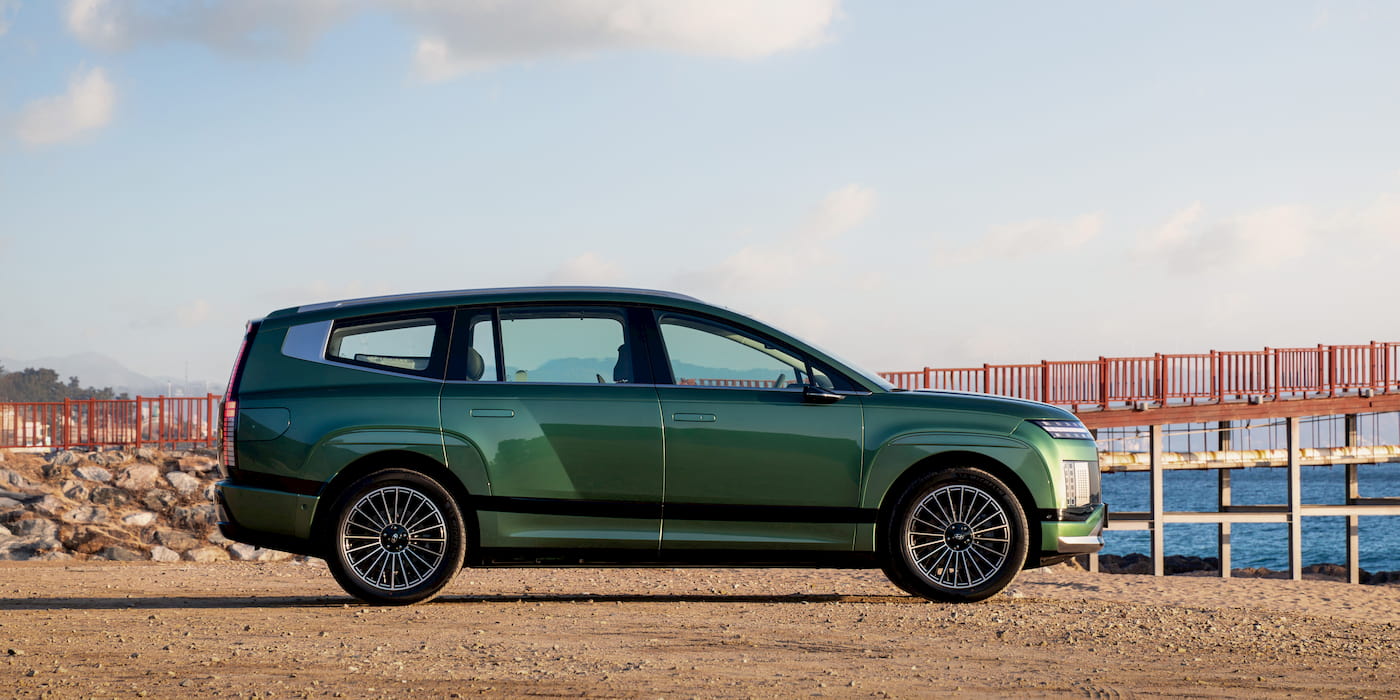
Hyundai is ramping up local production at its Georgia-based Metaplant America facility, while Kia expands output at its West Point plant. CEO Randy Parker acknowledged policy disruptions but expects market stability to return in coming months. With new U.S.-built models like the Hyundai IONIQ 9 poised for release, the automakers aim to sustain their record momentum into 2026.