

How Solid-State Batteries Work
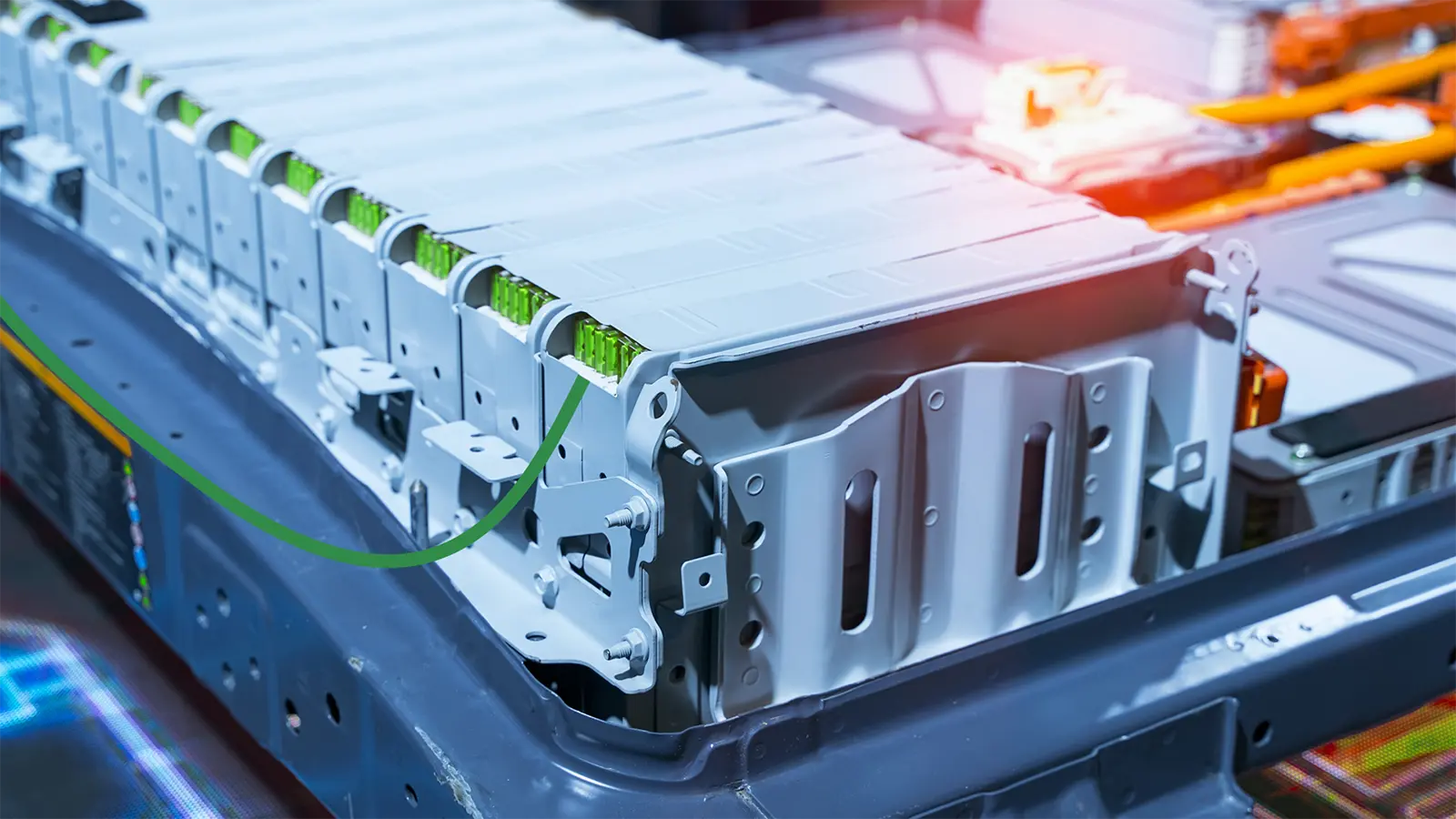
These batteries replace the liquid electrolyte (which enables charge/discharge cycles) with a solid material, theoretically improving performance. However, mass-producing defect-free versions remains challenging. BloombergNEF predicts solid-state batteries will make up just 10% of global EV and storage demand by 2035, with initial adoption likely in premium vehicles.
Meanwhile, semi-solid-state batteries—using a gel-like electrolyte—are gaining traction. China leads here, hosting 83% of current or planned production capacity. Chinese automakers like Nio and SAIC Motors have already launched EVs with these batteries, while Western brands like Mercedes-Benz and BMW are testing the tech.
This list covers both semi-solid-state and all-solid-state batteries, including available models, upcoming releases, and demo vehicles. We’ve also included automakers actively developing the technology.
Available or Upcoming EVs With Solid-State Batteries
Verge TS Pro/TS Ultra
- Battery Type: All-solid-state
- Energy Density: 400 Wh/kg
- Supplier: Donut Labs
- Range: 370+ miles
Estonia’s Verge Motorcycles claims to be the first to deploy all-solid-state batteries in production motorcycles, available from Q1 2026. The Finnish-made batteries boast a 100,000-cycle lifespan and perform reliably in extreme temperatures (-30°C to 100°C), retaining 99% of their range.
Nio ET7/ET5
- Battery Type: Semi-solid-state
- Energy Density: 360 Wh/kg
- Supplier: Beijing WeLion New Energy Technology
- Range: 652 miles (CLTC)
Nio’s CEO drove an ET7 sedan over 648 miles on a single charge in freezing conditions using a 150 kWh semi-solid-state pack. The battery is available for rent via Nio’s battery-swapping network in China.
IM Motors L6
- Battery Type: Semi-solid-state
- Supplier: Suzhou QingTao Power Technology
- Range: 620+ miles (CLTC)
SAIC Motors’ luxury brand IM Motors offers this Tesla Model 3 rival with a 133 kWh semi-solid-state pack. A 900-volt architecture enables 248 miles of range in 12 minutes of charging. Priced at $28,000–$45,600.
MG4
- Battery Type: Semi-solid-state
- Energy Density: 180 Wh/kg
- Supplier: Suzhou QingTao Power Technology
MG’s affordable semi-solid-state battery (5% liquid electrolyte) debuts later this year in the MG4. Pricing starts at $10,100 for LFP versions and rises to $14,400 for the semi-solid-state model.
Voyah Passion (Zhuiguang)
- Battery Type: Semi-solid-state
- Range: 360 miles (CLTC)
Dongfeng’s premium brand Voyah launched this sedan with an 82 kWh semi-solid-state pack. A larger 109 kWh lithium-ion version offers 453 miles of range. Priced at $45,000–$60,000.
Dongfeng Fengshen E70 (Demo EV)
- Battery Type: Semi-solid-state
- Range: 620+ miles
- Supplier: Ganfeng Lithium
Dongfeng tested semi-solid-state batteries in 50 prototypes in 2022, with commercial production slated for 2026. The battery supports swappable tech.
Dodge Charger Daytona EV (Demo EV)
- Battery Type: Semi-solid-state
- Energy Density: 375 Wh/kg
- Supplier: Factorial Energy
Stellantis and Factorial’s battery charges 15–90% in 18 minutes and discharges at 4C. Testing begins in 2025.
Mercedes-Benz EQS (Demo EV)
- Battery Type: Semi-solid-state
- Supplier: Factorial Energy
- Range: 620 miles (WLTP)
Mercedes showcased a prototype EQS with Factorial’s battery, offering 25% more range without added weight. Mass production expected by 2030.
BMW i7 (Demo EV)
- Battery Type: All-solid-state
- Energy Density: 390 Wh/kg
- Supplier: Solid Power
BMW is testing Solid Power’s prismatic cells in Germany, with pilot production starting soon.
Automakers Developing Solid-State Batteries
Rimac
Rimac Technology unveiled a 100 kWh solid-state pack (260 Wh/kg) at IAA Mobility 2025, co-developed with ProLogium and Mitsubishi Chemical. It charges 10–80% in 6.5 minutes.
Update: ProLogium plans a French gigafactory by 2028, with small-scale production by 2030.
Toyota
Toyota aims for mass production in 2027–2028, targeting 620+ miles of range and sub-10-minute charging. Hybrids may adopt the tech first.
Update: A partnership with Sumimoto Metal Mining aims to mass-produce cathode materials by 2028.
Honda
Honda’s in-house solid-state cells could be 50% smaller, 35% lighter, and 25% cheaper than current batteries. Range estimates exceed 620 miles, with testing underway in Japan.
Volkswagen
VW collaborates with QuantumScape, investing $260+ million. Their anode-free lithium-metal batteries could boost range by 20–40%.
Update: A prototype Ducati V21L race bike showcased an 844 Wh/L pack charging in 12 minutes.
Nissan
Nissan targets commercialization by FY2028, using sulphur-based electrolytes to potentially eliminate cobalt.
BYD
BYD denies rumors of solid-state batteries in the Seal sedan. Demonstrations are expected by 2027, with mass production after 2030.
Hyundai-Kia
Hyundai remains cautious, predicting commercialization no earlier than 2030 amid improvements in current lithium-ion tech.