
Rivian Reveals Self-Driving Chip and Autonomous Driving Plans at AI Event
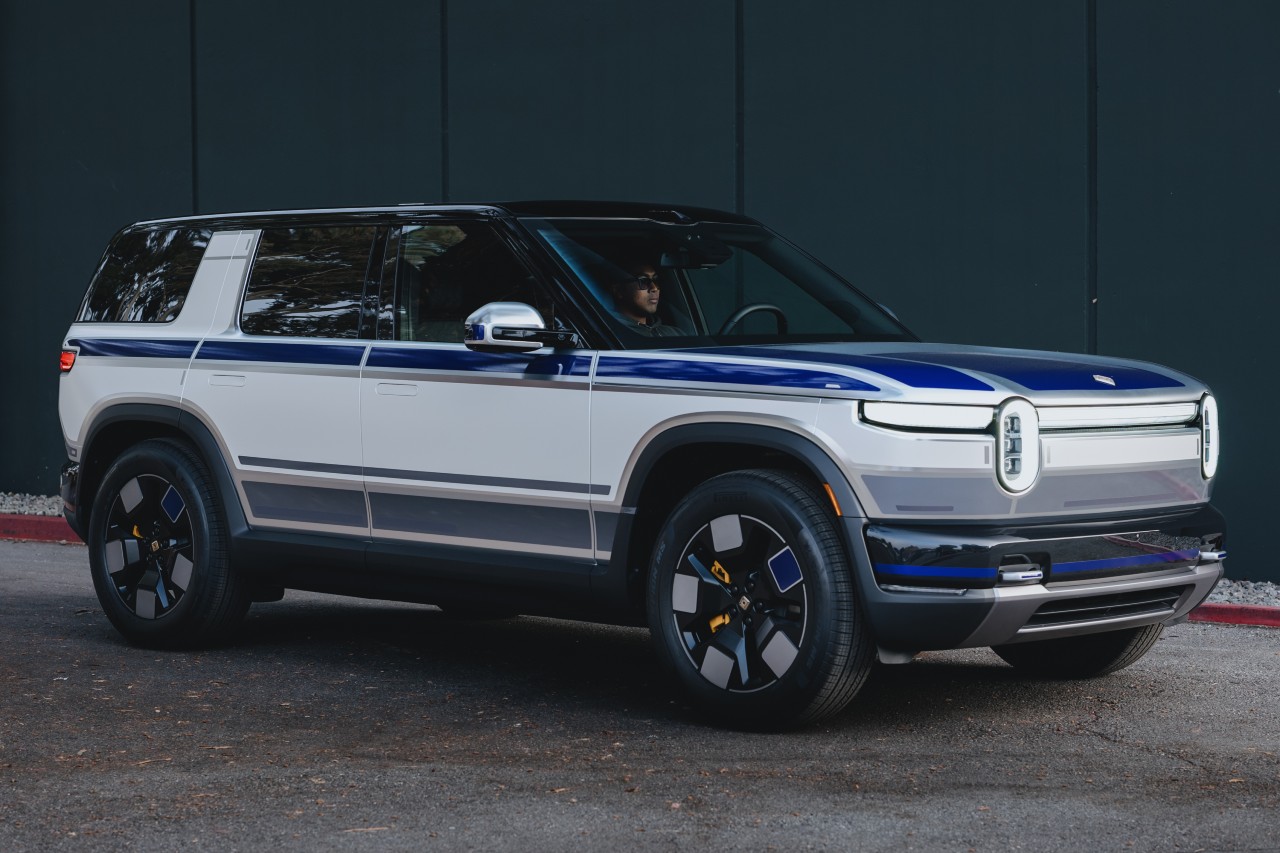
At its AI and Autonomy Day event in Palo Alto, California, Rivian unveiled its in-house self-driving technology, including a custom chip and subscription-based autonomous driving plans. The electric vehicle startup aims to compete with industry leaders like Tesla by introducing Autonomy+, a suite offering drivers Level 4 self-driving capabilities.
Pricing and Vision
- Autonomy+ will be available for a $49.99 monthly subscription or a one-time $2,500 fee.
- CEO RJ Scaringe emphasized that the system will improve over time through deep learning and neural networks, similar to Tesla’s approach:
“Our updated hardware platform, including our 1600 sparse TOPS inference chip, will enable dramatic progress toward L4 autonomy. This gives customers their time back while in the car.”
Target Audience and Future Goals
Initially focused on personal vehicles, Rivian confirmed future ambitions to enter the ride-sharing market:
“While personally owned vehicles are our priority, this technology also enables opportunities in rideshare.”
Hardware Innovations
- Sensors: Rivian diverges from Tesla’s vision-only strategy by deploying 11 cameras, 5 radars, and a forward-facing LiDAR in its upcoming R2 platform.
- Rivian Autonomy Processor (RAP1): This in-house chip, manufactured by TSMC, delivers 50x more power than Rivian’s current hardware and performs 800+ trillion calculations per second. It powers the Autonomy Compute Module 3 (ACM3), enabling real-time processing for L4 autonomy.
Key RAP1/ACM3 Specs
- 1600 sparse INT8 TOPS (trillion operations per second).
- Processes 5 billion pixels per second.
- Features RivLink, a low-latency interconnect for scalability.
- Supported by proprietary AI software for autonomous decision-making.
Near-Term Upgrades
Rivian will roll out Universal Hands-Free (UHF) to existing second-gen R1 vehicles, enabling hands-free driving on 3.5 million miles of U.S. and Canadian roads.
Competitive Landscape
With these advancements, Rivian positions itself alongside Tesla, Waymo, and Zoox in the race toward fully autonomous vehicles. The R2 platform, launching in 2026, aims to unlock Level 4 capabilities, allowing occupants to relinquish driving duties entirely.